Navigating the Night Markets: Day Bazaars Edition
While Asia may claim the night, Latin America’s street food culture thrives under the bright, unforgiving midday sun. The tianguis (open-air markets) of Mexico and the bustling mercados of Peru are daytime spectacles, ablaze with the colors of fresh produce, hanging dried chilies, and hand-painted signage.
The Geometry of the Taco Stand
In Mexico City, the taco stand is an architectural marvel of efficiency. Anchored by the trompo—a glowing, spinning top of marinated pork—the taquero operates as both chef and showman. With a flick of the wrist, meat is shaved off the spit, caught gracefully in a warmed tortilla, and topped with a flying sliver of pineapple sliced directly from the top of the trompo. Around them, an array of salsas ranging from bright, tomatillo greens to deep, smoky chipotle reds invite diners to customize their experience.
"A proper taco stand is an exercise in trust. You trust the taquero's knife skills, and they trust you to accurately count how many you've eaten when it’s time to pay."
Venture further south to Lima, Peru, and the atmosphere shifts. Outside Mercado Surquillo, the air smells of lime juice and sea salt. Here, ceviche is street food. Vendors work from carts packed with ice, rapidly curing fresh sea bass in leche de tigre (tiger’s milk) while you wait. It is a dish that demands absolute freshness, proving that world-class, delicate seafood preparations do not require fine dining environments to shine.
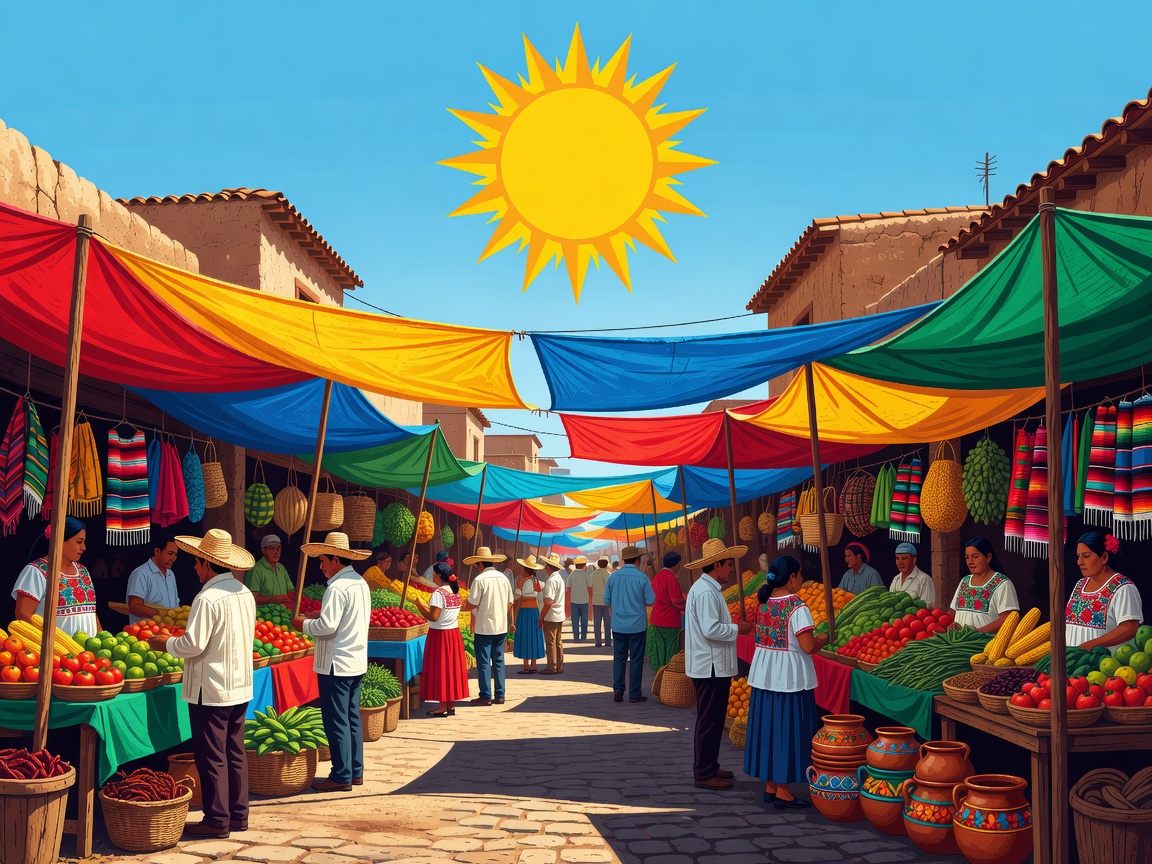
These day bazaars are deeply connected to their agricultural roots. The vendors are often directly linked to the farmers, bringing fresh maize for tamales, earthy potatoes for papa a la huancaína, and regional herbs that define the local palate. Eating at these stands is a crash course in the geography and biodiversity of the region.