Navigating the Night Markets: European Food Halls
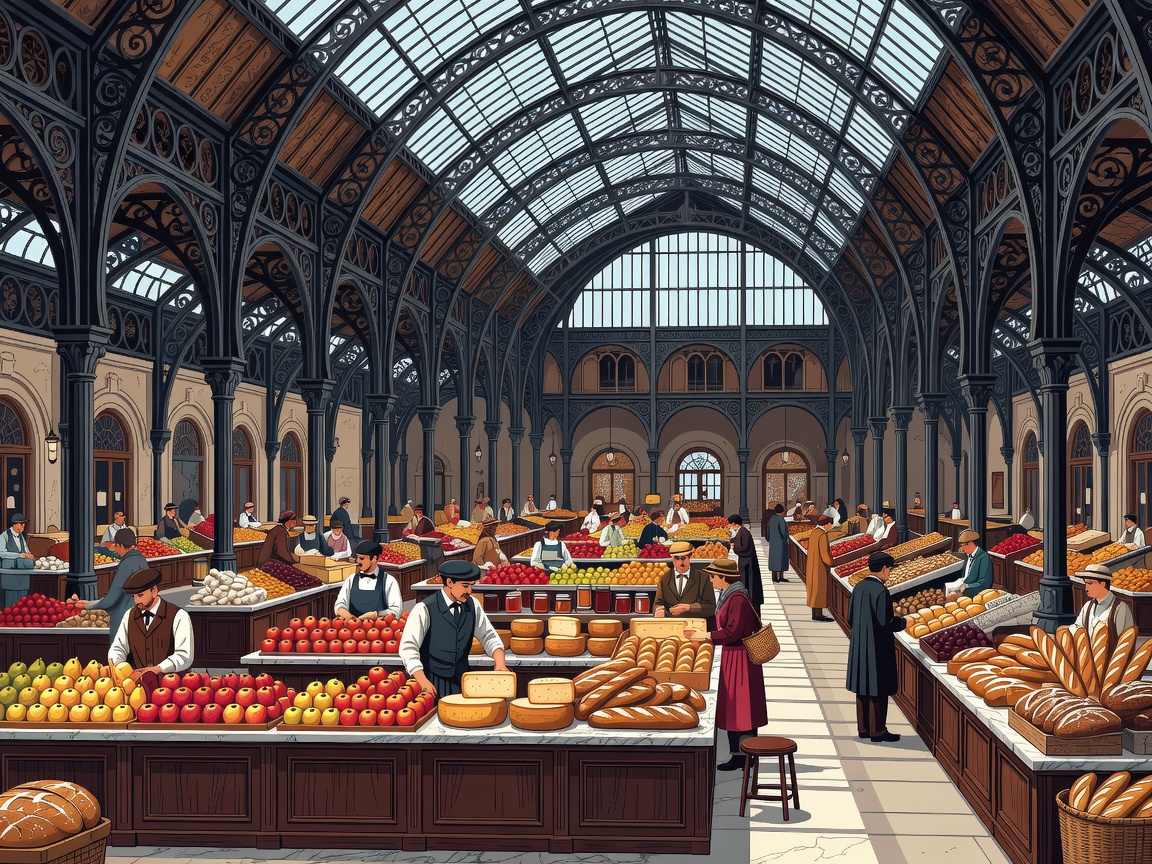
Europe’s street food culture has largely moved indoors over the centuries, taking up residence in grand, iron-and-glass structures born of the Industrial Revolution. These historic food halls operate with a slightly more genteel hum compared to their outdoor global counterparts, yet the vendor passion remains fiercely intact.
The Borough and The Mercado
In London, Borough Market boasts a history stretching back nearly a millennium. Beneath the rumble of railway viaducts, vendors serve massive pans of Valencian paella, raclette scraped generously over crushed potatoes, and artisanal scotch eggs. It is a crossroads of British agricultural pride and European culinary influence.
"In the grand food halls of Europe, you are not just eating lunch; you are consuming centuries of architectural and mercantile history."
Meanwhile, in Madrid, the Mercado de San Miguel offers a completely different rhythm. Here, street food means tapas—small, perfect bites of cured jamón ibérico, olives stuffed with anchovies, and fresh oysters, all washed down with cold vermouth on tap. The wrought-iron market is not a place you visit quickly; it is a venue for lingering, socializing, and grazing over the span of several hours.
Though they lack the immediate, gritty street-level exposure of a pop-up night market stall, these covered halls serve the exact same civic function. They bring the city together around the shared, universal joy of eating well, democratizing high-quality ingredients for anyone willing to stand in line.